Korea boasts a rich and profound history, a tapestry woven with resilience, scholarly pursuit, artistic brilliance, and unwavering determination. Within this deep well of the past lie countless stories of individuals who shaped the nation and left behind legacies that resonate to this very day. Their lives were often marked by significant challenges, from political turmoil and foreign invasions to internal strife and the relentless pursuit of knowledge.
It is from these challenging yet transformative periods that much of Korea’s most enduring wisdom emerged. The words and philosophies of its kings, scholars, generals, and independence activists are not just historical artifacts; they are timeless beacons of insight, offering guidance and inspiration for anyone navigating life’s complexities. Their perspectives on leadership, perseverance, integrity, and the human spirit continue to offer powerful lessons across generations.
Exploring the wisdom of these prominent figures can provide a unique lens through which to view universal human struggles and triumphs. Their contributions extend beyond their immediate impact, living on through the motivational power of their quotes and the enduring principles they championed. Delving into the words of these korean motivational quotes historical figures offers a chance to connect with a legacy of strength and profound thought.
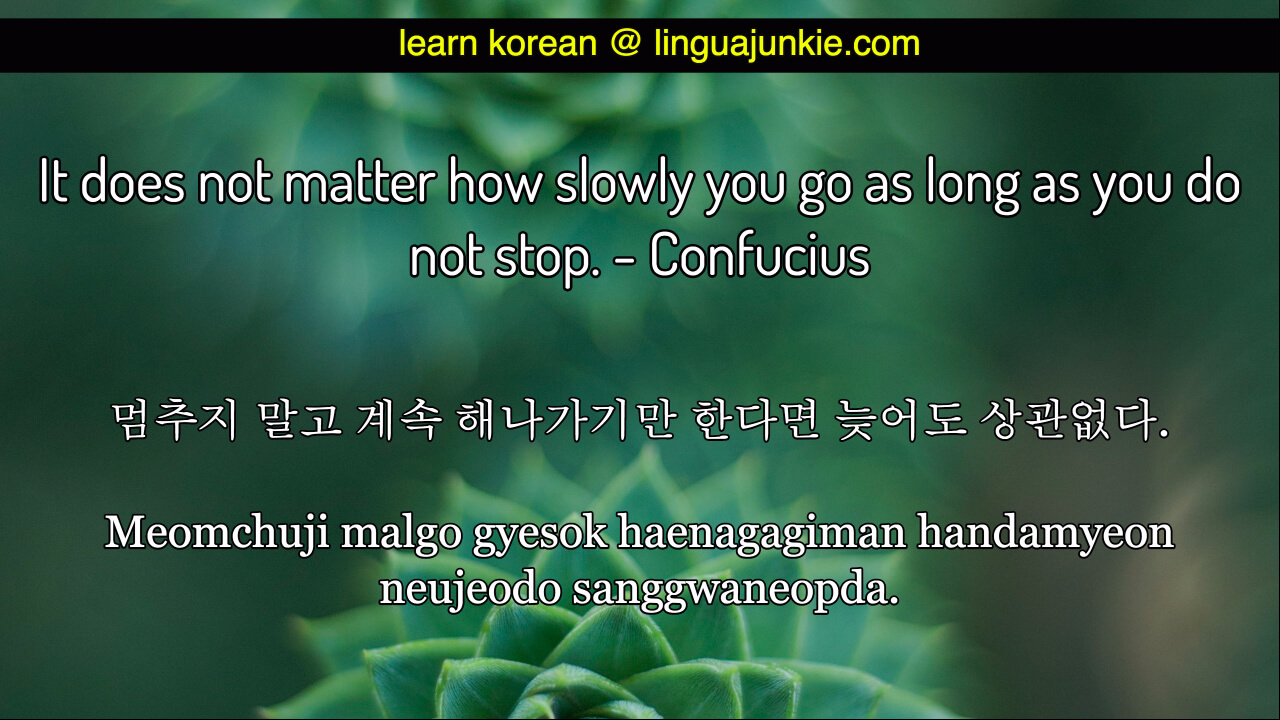
Unearthing Wisdom from Korea’s Past: The Enduring Legacy of Its Leaders and Thinkers
The concept of drawing inspiration from history is a universal one, and in Korea, it holds a particularly deep significance. The nation’s narrative is replete with instances where its people and leaders demonstrated extraordinary fortitude in the face of immense adversity. Whether battling invading armies, striving for intellectual enlightenment, or campaigning for independence, these figures often encapsulated their philosophies and convictions into powerful expressions that have since become integral to the Korean collective consciousness. Their words are not merely beautiful phrases; they are distillations of lives lived with purpose, often under extreme pressure, making their advice incredibly potent and relevant for overcoming modern-day challenges.
Korea’s historical landscape features a diverse cast of characters from various walks of life. We find profound wisdom emanating from the pens of celebrated Neo-Confucian scholars like Yi Hwang (Toegye) and Yi I (Yulgok), whose ideas shaped educational and governmental policies. There are also the strategic insights of military heroes such as Admiral Yi Sun-sin, whose tactical brilliance and unwavering spirit saved the nation countless times. Beyond these, the voices of independence activists like Ahn Chang-ho and Yoo Gwan-sun resonate with a fierce passion for freedom and self-determination, inspiring generations to strive for a better future.
What makes the words of these historical figures so uniquely motivational is their grounding in lived experience. They were not abstract philosophers debating theories in a vacuum; many were actively involved in shaping their era, making difficult decisions that affected millions. Their quotes often reflect a deep understanding of human nature, the importance of education, the value of integrity, and the necessity of perseverance. This direct connection to real-world challenges gives their wisdom a practical and immediate applicability, providing a moral compass and a wellspring of encouragement.
Culturally, these quotes also embody core Korean values. Themes of diligence (성실), filial piety (효도), respect for elders and teachers (공경), and the importance of self-cultivation (수양) frequently appear. The emphasis on education as a pathway to personal and national advancement is a recurring motif, urging individuals to continuously learn and improve themselves. Furthermore, the idea of collective responsibility and contributing to the greater good of society or the nation is often subtly woven into their messages, encouraging a sense of purpose beyond individual ambition.
The enduring appeal of these historical figures’ words lies in their timelessness. While the specific contexts in which they lived may have changed, the fundamental human experiences of struggle, ambition, learning, and leadership remain constant. Their insights offer a historical anchor, connecting contemporary individuals to a rich heritage of wisdom. They serve as a powerful reminder that perseverance, integrity, and a commitment to one’s principles are virtues that transcend epochs, providing invaluable guidance for anyone seeking strength and direction in their own lives.
Inspirational Echoes: Notable Korean Motivational Quotes Historical Figures and Their Messages
The rich tapestry of Korean history offers a wealth of inspirational figures whose words continue to resonate deeply, providing motivation and guidance across generations. Here are some notable examples of korean motivational quotes historical figures, along with the powerful messages they conveyed:
- **King Sejong the Great (1397-1450):** A revered monarch known for his progressive policies and creation of Hangeul, the Korean alphabet. His life’s work emphasizes the importance of learning and serving the people. His spirit suggests, “The purpose of knowledge is to benefit the people.” This is a profound call to use one’s intellect and skills for the greater good, inspiring innovation and public service.
- **Admiral Yi Sun-sin (1545-1598):** A legendary naval commander famous for his victories against Japanese invasions, often against overwhelming odds. He famously stated, “If you seek death, you will live; if you seek life, you will die.” This powerful quote emphasizes courage, self-sacrifice, and unwavering determination in the face of dire circumstances.
- **Shin Saimdang (1504-1551):** An esteemed artist, calligrapher, and poet, as well as the mother of the renowned scholar Yi I (Yulgok). Her life embodies the pursuit of artistic excellence and diligent self-cultivation. Her legacy inspires the pursuit of personal talent and dedication to family and education.
- **Ahn Chang-ho (1878-1938):** A prominent independence activist and educator who advocated for self-strengthening through education and moral uprightness. He emphasized, “If there is effort, there is hope.” This quote is a powerful reminder that persistent hard work and dedication are fundamental to achieving one’s goals, even in the bleakest of times.
- **Yoo Gwan-sun (1902-1920):** A young independence activist who became a symbol of resistance during the March 1st Movement against Japanese colonial rule. Her unwavering spirit in the face of immense suffering speaks volumes. Her actions and reported statements convey a message of “Freedom is not given; it is fought for.” Her courage inspires unwavering conviction and sacrifice for justice.
- **Dasan Jeong Yak-yong (1762-1836):** A prolific Joseon scholar, philosopher, and government official known for his progressive reformist ideas and practical scholarship. He often emphasized practical learning and serving the people. His work promotes the idea that “True learning leads to practical solutions for society.” This encourages individuals to apply their knowledge to real-world problems.
- **Kim Gu (1876-1949):** A leading figure in the Korean independence movement and the last president of the Provisional Government of the Republic of Korea. He famously stated, “My greatest desire is for our nation to become the most beautiful country in the world, not in wealth but in its spirit and culture.” This quote inspires patriotism, cultural pride, and a vision for a morally strong nation.
- **Wonhyo (617-686 AD):** A revered Buddhist monk during the Silla Kingdom who popularized Buddhism among common people through his teachings on harmony and enlightenment. His philosophy centers on the idea of “One mind, no difference.” This encourages unity, understanding, and the overcoming of distinctions, offering a path to inner peace and harmony with others.
- **Yi I (Yulgok) (1536-1584):** Another distinguished Neo-Confucian scholar alongside Toegye, known for his emphasis on practical reform and national defense. He stressed the importance of timely action and preparation. His teachings suggest, “Preparation is key to overcoming any challenge.” This inspires foresight, diligence, and proactive problem-solving.
- **Gwanggaeto the Great (374-413 AD):** A powerful king of Goguryeo who expanded his kingdom to become a dominant force in Northeast Asia. His reign exemplifies bold leadership and strategic expansion. While no direct quote is famous, his legacy inspires the message, “With ambition and courage, vast achievements are possible.” This drives individuals to pursue grand visions and overcome limits.
The profound messages encapsulated in the lives and words of these historical figures serve as a powerful reminder of the human capacity for resilience, wisdom, and profound impact. Their stories are not merely tales of the past but vibrant blueprints for navigating life with purpose and integrity. Drawing inspiration from such a rich heritage can empower individuals to face their own challenges with renewed courage and a deeper sense of connection to universal human virtues.
By reflecting on their philosophies, we can gain invaluable perspectives on perseverance, leadership, and the pursuit of knowledge. These timeless lessons, passed down through generations, continue to shape individual aspirations and contribute to a deeper understanding of what it means to live a meaningful and impactful life.