For many, the idea of friendship is painted with broad, idealistic strokes – a tapestry of unwavering loyalty, shared laughter, and constant support. We’re often told that friends are the family we choose, the anchors in life’s storms, and the companions who make every journey worthwhile. This beautiful vision is deeply ingrained in our culture, celebrated in songs, movies, and countless inspirational sayings that promise an unbreakable bond.
Yet, for some, the reality of life presents a starkly different picture. Experiences can leave hearts scarred, trust shattered, and expectations unfulfilled. When you’ve navigated through disappointments, betrayals, or simply the natural drift of human connection, it’s perfectly understandable to find yourself resonating with the sentiment behind “i don’t believe in friendship quotes.” It’s not a statement of bitterness, but often a quiet acknowledgement of a personal truth, a recognition that the idyllic portrayal doesn’t always align with lived experience.
This perspective isn’t about being anti-social or rejecting all human connection. Instead, it often stems from a place of introspection, a re-evaluation of what true connection means, and perhaps a decision to protect one’s peace from the potential pitfalls of conventional friendships. It’s about finding strength in self-reliance and accepting that not everyone’s journey through relationships follows the same well-trodden path.
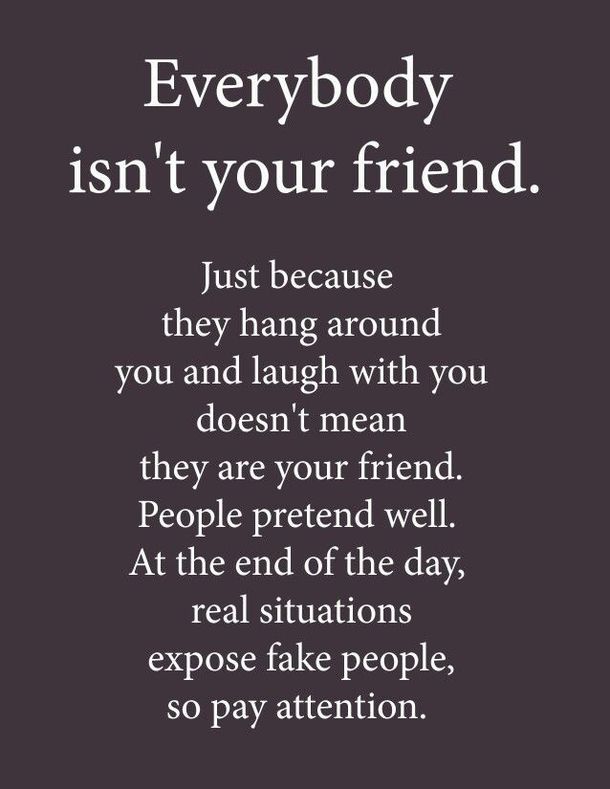
Why Some Hearts Grow Skeptical of Friendship
The journey towards skepticism about friendship is rarely a sudden one; it’s often a gradual accumulation of experiences that chip away at the initial idealism. Perhaps it begins with a childhood friend who drifts away without a word, or a schoolmate who proves fair-weather. As we grow, the stakes can become higher. Betrayals of trust, the feeling of being used, or the realization that a bond was more superficial than imagined can leave deep emotional scars. These instances teach us caution, making us question the very foundation upon which many friendships are supposedly built.
Another common reason for disillusionment comes from observing the transient nature of many adult relationships. Life changes – careers, families, geographical moves – and often, friendships struggle to keep pace. What once felt like an unbreakable bond can wither when the shared context disappears. It’s not necessarily anyone’s fault, but the repeated cycle of forming connections only to see them fade can lead one to conclude that perhaps the concept of enduring, deep friendship is more of an exception than a rule, or simply not a reliable constant in a constantly evolving life.
Sometimes, the skepticism arises from a fundamental difference in values or expectations. One person might value independence and solitude, while another seeks constant companionship. When these needs clash, or when one feels pressured to conform to an idea of friendship that doesn’t feel authentic, it can lead to a retreat. The energy required to maintain relationships that don’t genuinely align can become exhausting, making the peace of one’s own company far more appealing than forced or superficial interactions.
Ultimately, this skepticism often isn’t a rejection of people, but a rejection of the unrealistic expectations placed upon relationships. It’s a self-protective measure, a way to navigate the social world without setting oneself up for inevitable disappointment. For those who embrace this view, the focus shifts from seeking external validation or companionship to cultivating inner peace and self-sufficiency, finding solace and strength within themselves rather than relying on potentially fragile external bonds.
Embracing the Unconventional: Quotes for the Friendship Skeptic
For those who find themselves standing apart from the conventional adoration of friendship, expressing this sentiment can sometimes feel isolating. However, there’s a quiet strength in recognizing one’s own truth and finding words that echo that perspective. These aren’t necessarily negative or cynical statements, but rather honest reflections on independence, self-reliance, and the often complex reality of human connections.
These quotes offer a voice to the unspoken thoughts of many, providing validation for a path less traveled. They celebrate the individual journey and offer comfort in the idea that choosing one’s own company, or being discerning about who you let into your inner circle, is a valid and powerful stance. Here are some thoughts and sayings that resonate with the “i don’t believe in friendship quotes” sentiment:
- The best company I keep is my own.
- Friendship is a beautiful ideal, but reality often has different plans.
- I prefer the truth of solitude to the illusion of companionship.
- Some bonds are meant to be broken; others, never formed.
- Trusting myself is the only truly reliable friendship I’ve found.
- Peace of mind is more valuable than any fleeting social connection.
- I don’t chase friendships; those who are meant to be there, will be.
- My circle is small, often just me, and that’s precisely how I like it.
- True friends are rare; convenient acquaintances are everywhere.
- The less I expect from others, the less I’m disappointed.
- I’ve learned that not every shared laugh signifies a true bond.
- Self-reliance is the strongest form of friendship.
- People come and go, but your own strength remains.
- Perhaps the greatest freedom is not needing anyone to call a “friend.”
- I’m not anti-social, just highly selective with my peace.
These reflections serve as a testament to the varied human experience, reminding us that there’s no single right way to navigate relationships. They provide solace for those who have been hurt, guidance for those seeking authenticity, and affirmation for individuals who prioritize their internal landscape above external social expectations. It’s about finding strength in one’s own truth, even if it diverges from the mainstream narrative.
Ultimately, whether one embraces the traditional view of friendship or finds comfort in a more independent stance, the goal remains the same: to live a life aligned with one’s personal values and to cultivate peace within. It’s a journey of self-discovery, understanding what genuinely nourishes the soul, and making choices that honor that deep inner knowing. Finding your own philosophy, no matter how unconventional it may seem, is a powerful step towards genuine contentment and self-acceptance.


