Friendships are one of life’s most precious treasures, offering companionship, support, and shared laughter. They enrich our lives in countless ways, acting as a crucial pillar for our emotional well-being. However, just like any relationship, friendships can sometimes take a turn, becoming less supportive and more draining than uplifting. It’s not always easy to recognize when a friendship is subtly harming you, especially when affection and history cloud your judgment.
Often, we find ourselves searching for clarity, seeking out phrases or sentiments that echo our own uneasy feelings. This is where the concept of red flags in friendship quotes becomes incredibly valuable. These insightful observations and succinct statements can serve as a mirror, helping us identify those subtle warning signs that indicate a friendship might not be as healthy as it seems, or perhaps, has become detrimental to our peace. They provide language for feelings we might not have been able to articulate ourselves.
Understanding these signals is not about immediately ending every friendship that hits a bump, but rather about gaining awareness. It’s about empowering yourself to recognize patterns that diminish your spirit, disrespect your boundaries, or consistently leave you feeling less than your best. By shedding light on these often-unspoken issues, we can begin to cultivate more authentic and mutually beneficial connections in our lives.
Why Identifying Red Flags Is Crucial For Your Well-being
Ignoring red flags in any relationship, especially friendships, can have a profound and lasting impact on your mental and emotional health. What might start as a small, niggling feeling can, over time, erode your self-esteem, make you doubt your perceptions, and even isolate you from other healthier connections. Unhealthy friendships often manifest as a constant drain on your energy, leaving you feeling exhausted and unfulfilled after interactions that should ideally recharge you. This emotional fatigue can seep into other areas of your life, affecting your work, your family relationships, and your overall joy.
Psychologically, these friendships can be damaging. You might experience gaslighting, where your friend manipulates you into questioning your own memory or sanity, making you feel perpetually confused. Passive-aggressive behavior, constant criticism disguised as “jokes,” or a pattern of jealousy can slowly chip away at your confidence. The cumulative effect of these behaviors is that you begin to internalize their negativity, believing perhaps that you are indeed difficult, overly sensitive, or not good enough, when in reality, you are simply reacting to an unhealthy dynamic.
Learning to identify these warning signs is an act of self-preservation. It is about setting boundaries and understanding that your emotional peace and well-being are paramount. Protecting your own space and energy from those who consistently disrespect it is not selfish; it is a fundamental aspect of self-care. It allows you to maintain your sense of self and prevent others from dictating your emotional landscape.
Ultimately, recognizing and addressing red flags allows you to cultivate a support system that truly uplifts you. When you free yourself from relationships that diminish you, you open up space for connections that are built on mutual respect, genuine care, and reciprocal support. This proactive approach to friendship ensures that your social circle is a source of strength, joy, and growth, rather than an ongoing source of stress or disappointment.
Recognizing The Warning Signs: A Collection Of Red Flags In Friendship
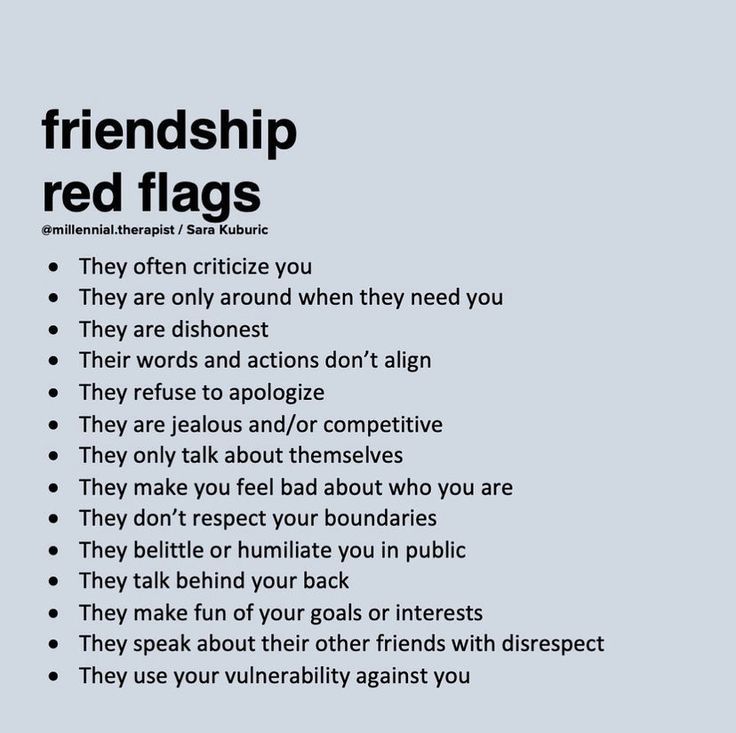
Sometimes, the simplest phrases can perfectly capture a complex feeling or an unhealthy dynamic we’ve been struggling to name. These “red flags in friendship quotes” or observations often resonate deeply because they articulate common experiences that signal something is amiss. They aren’t always about dramatic betrayals but more frequently about subtle, consistent patterns of behavior that indicate a lack of true support, respect, or reciprocity.
Consider these insights as gentle prompts for reflection, helping you gauge the health and balance of your own friendships. If any of these resonate, it might be a sign to look a little closer at the dynamic and how it truly makes you feel.
- “A true friend celebrates your wins; a red flag friend competes with them.”
- “They only reach out when they need something, never just to connect.”
- “After spending time with them, you consistently feel drained, not energized.”
- “Your boundaries are always ignored, or worse, mocked.”
- “They gossip incessantly about others, making you wonder what they say about you.”
- “Your opinions and feelings are frequently invalidated or dismissed.”
- “They consistently belittle your achievements or ideas, especially in front of others.”
- “The friendship feels like a constant performance where you can’t be your true self.”
- “Promises are easily made but rarely kept, leaving you feeling let down repeatedly.”
- “They apologize without any change in their problematic behavior.”
- “You find yourself constantly making excuses for their actions to others or yourself.”
- “The friendship is overwhelmingly one-sided, with you doing all the giving.”
Reflecting on these observations can be a powerful step toward understanding your friendships better. It is about trusting your gut feeling and acknowledging that certain patterns, even if seemingly small, can add up to a significant impact on your happiness. Recognizing these red flags is not about condemning anyone, but about giving yourself permission to evaluate and potentially adjust your expectations or involvement in certain connections.
Ultimately, nurturing healthy friendships is a journey of discernment and self-respect. It involves understanding that while no friend is perfect, true companionship should consistently uplift, respect, and support you. If a friendship consistently fails to do so, recognizing the warning signs allows you to make conscious choices that prioritize your well-being and allow you to seek out relationships that genuinely enrich your life.


